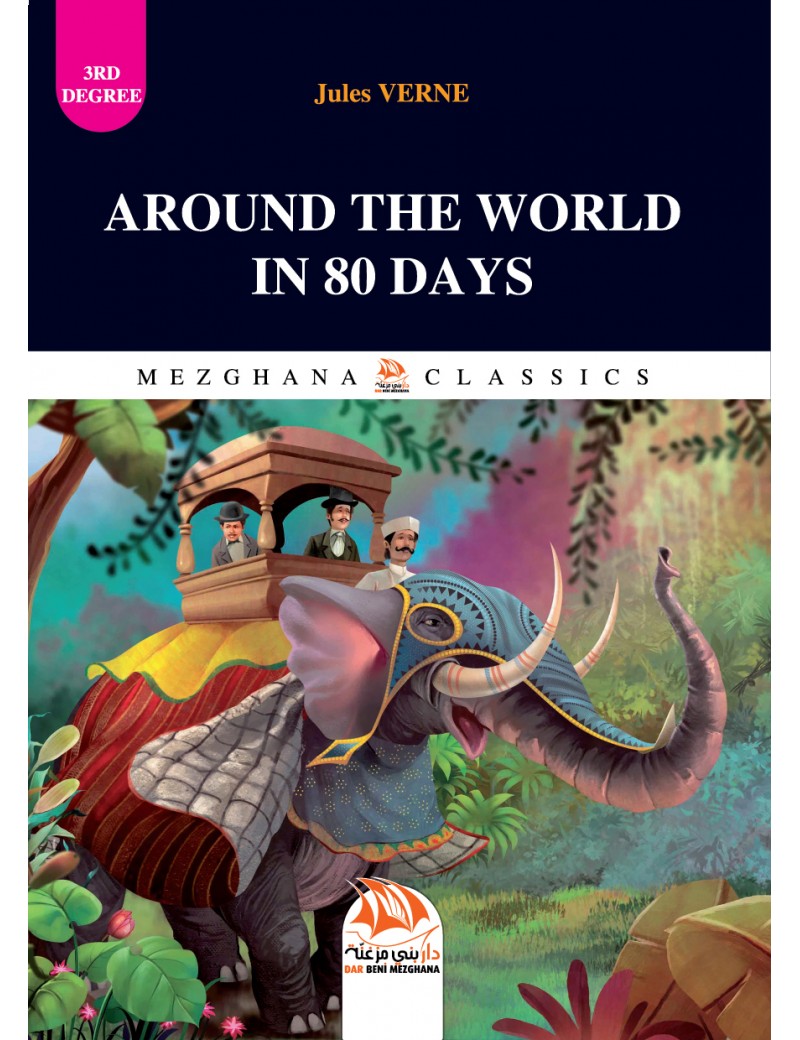
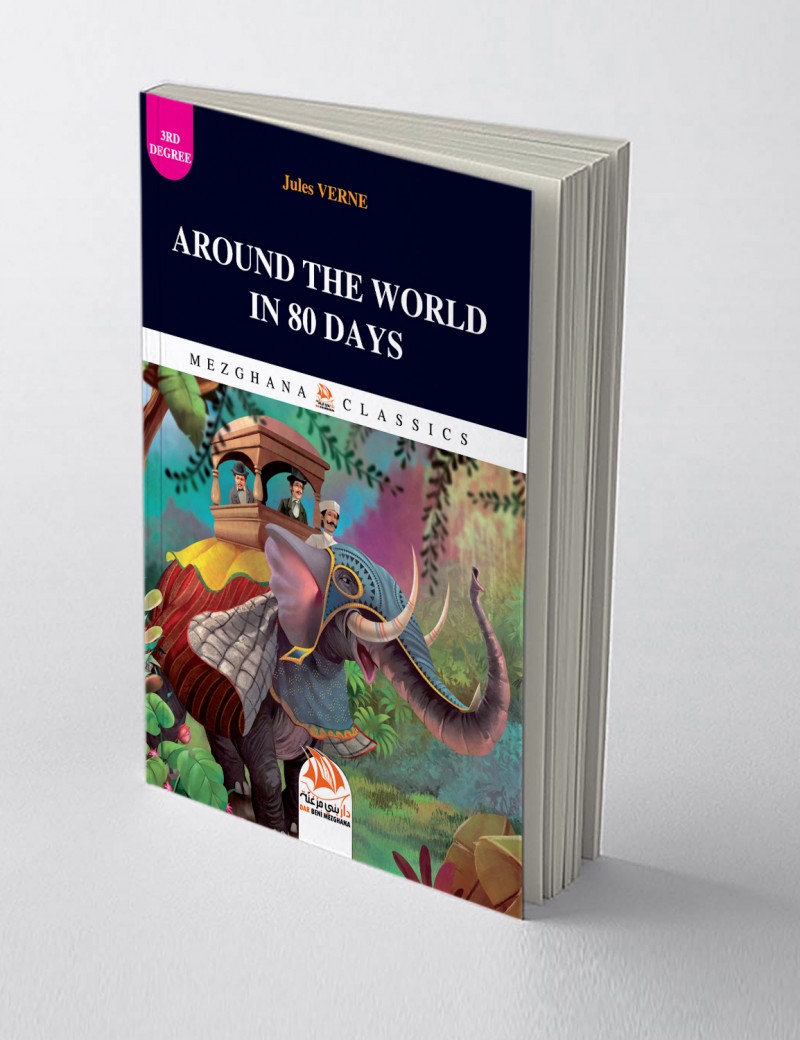
Le Tour du monde en quatre-vingts jours (Around the World in Eighty Days) est un roman d'aventures de Jules Verne, publié en 1872.
Le roman raconte la course autour du monde d'un gentleman anglais, Phileas Fogg, qui a fait le pari d'y parvenir en quatre-vingts jours. Il est accompagné par Jean Passepartout, son serviteur français. L'ensemble du roman mêle récit de voyage (traditionnel pour Jules Verne) et données scientifiques comme celle utilisée pour le rebondissement de la chute du roman.
Momentanément non disponibleThe story starts in London on Wednesday, 2 October 1872.
Phileas Fogg is a rich British gentleman living in solitude. Despite his wealth, Fogg lives a modest life with habits carried out with mathematical precision. Very little can be said about his social life other than that he is a member of the Reform Club, where he spends much of every day. Having dismissed his former valet, James Forster, for bringing him shaving water at 84 °F (29 °C) instead of 86 °F (30 °C), Fogg hires Frenchman Jean Passepartout as a replacement.
At the Reform Club, Fogg gets involved in an argument over an article in The Daily Telegraph stating that with the opening of a new railway section in India, it is now possible to travel around the world in 80 days. He accepts a wager for £20,000 (£2,221,600 in 2018),[4] half of his total fortune, from his fellow club members to complete such a journey within this time period. With Passepartout accompanying him, Fogg departs from London by train at 8:45 p.m. on 2 October; in order to win the wager, he must return to the club by this same time on 21 December, 80 days later. They take the remaining £20,000 of Fogg's fortune with them to cover expenses during the journey.
Robinson Crusoé est un roman d'aventures anglais de Daniel Defoe, publié en 1719. L'histoire s'inspire très librement de la vie d'Alexandre Selkirk. Écrit à la première personne, l'intrigue principale du roman se déroule sur une île déserte où Robinson, après avoir fait naufrage, vécut pendant 28 ans. Durant son séjour, il fit connaissance d'un « sauvage » qu'il nomma Vendredi. Les deux compagnons vécurent ensemble pendant plusieurs années avant de pouvoir quitter l'île.
During the Reign of Terror in France, Doctor Alexandre Manette finds himself free after eighteen years of imprisonment in the Bastille. Reunited with his daughter, Lucie Manette, in England, he becomes acquainted with an exiled French aristocrat, Charles Darnay, and an English lawyer of ill repute, Sydney Carton, both of whom are in love with Lucie. Find out how this unsuspecting love triangle gets drawn into the horrors of the revolution, and how they fight their way out of it!
Born on the same day, a prince and a pauper grow up to experience very different lives. While Tom, the pauper, is unwanted by his family, Prince Edward grows up to be celebrated by the entire nation. However, fate has other plans for the two identical young men. What happens when the two accidentally swap lives? Will they be able to convince people of this error? Will they survive in these polar opposite worlds? Read the Prince and the Pauper to experience two wildly different worlds, and find out how the boys navigate through their adventures.
Oliver Twist, de son titre complet en anglais : Oliver Twist, or The Parish Boy's Progress, l'un des romans les plus universellement connus de Charles Dickens, a été publié en trente-deux feuilletons mensuels dans la revue Bentley's Miscellany, entre février 1837 et avril 1839, juin et octobre 1837 exceptés.
Peter Pan est un personnage créé par l'auteur écossais J. M. Barrie, apparu pour la première fois dans le roman The Little White Bird (Le Petit Oiseau Blanc) en 1902, puis dans la pièce du même nom, et enfin dans le roman Peter et Wendy, plus connu sous le titre Peter Pan en 1904. Le personnage et l'œuvre ont ensuite été adaptés à de nombreuses reprises au théâtre, au cinéma, ou encore en bande dessinée.
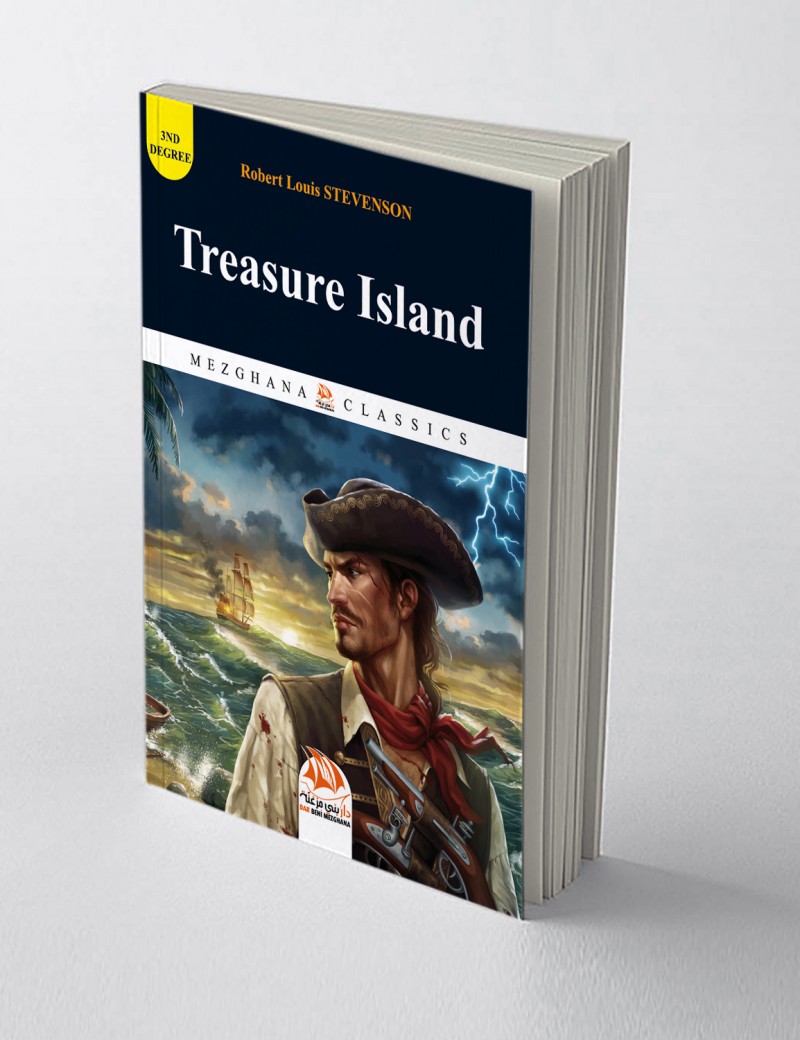
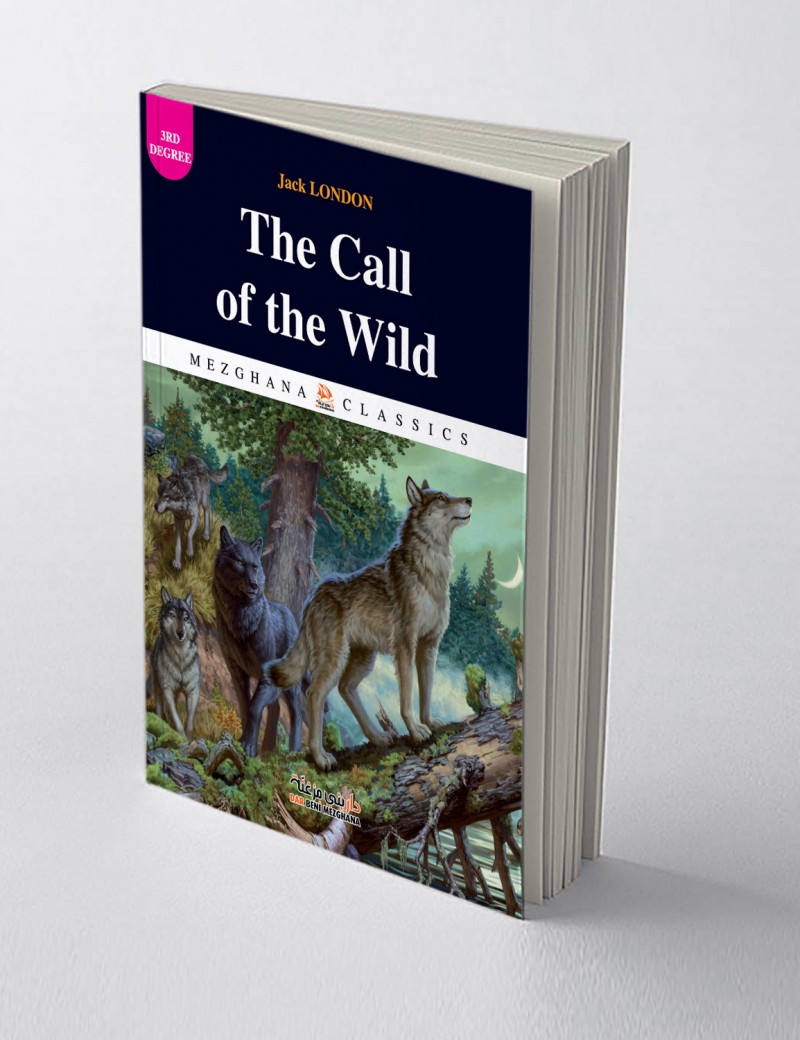
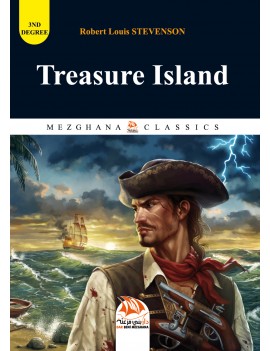
L'Île au trésor (titre original : Treasure Island) est un roman d'aventures écrit par Robert Louis Stevenson. L’œuvre est d'abord parue dans le magazine écossais pour enfants Young Folks du 1er octobre 1881 au 28 janvier 1882 sous la forme de feuilleton signé « Captain George North », puis sous la forme de livre en 1883, après que Stevenson eut apporté de nombreuses modifications à son texte.
Le Tour du monde en quatre-vingts jours (Around the World in Eighty Days) est un roman d'aventures de Jules Verne, publié en 1872.
Le roman raconte la course autour du monde d'un gentleman anglais, Phileas Fogg, qui a fait le pari d'y parvenir en quatre-vingts jours. Il est accompagné par Jean Passepartout, son serviteur français. L'ensemble du roman mêle récit de voyage (traditionnel pour Jules Verne) et données scientifiques comme celle utilisée pour le rebondissement de la chute du roman.
There are 2 items in your cart.
Total products: $150.00
Total shipping: free
Total: $150.00(tax incl.)
Chargement de l’aperçu…
Aperçu non disponible.