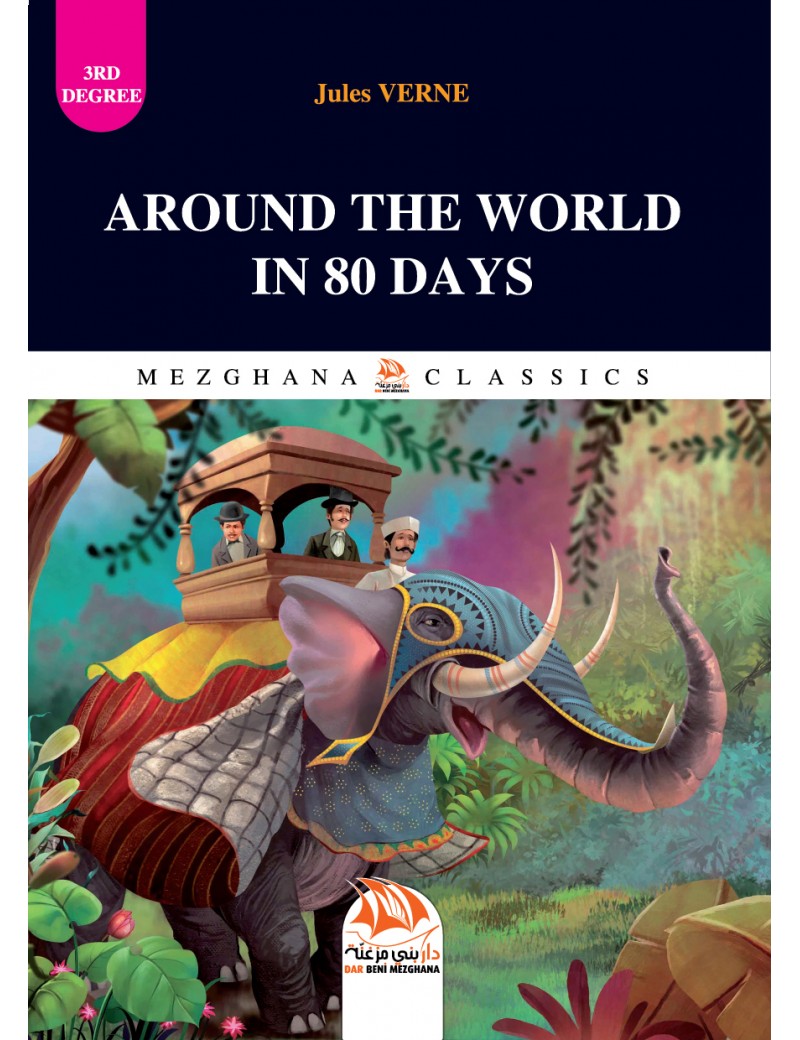
Le Tour du monde en quatre-vingts jours (Around the World in Eighty Days) est un roman d'aventures de Jules Verne, publié en 1872.
Le roman raconte la course autour du monde d'un gentleman anglais, Phileas Fogg, qui a fait le pari d'y parvenir en quatre-vingts jours. Il est accompagné par Jean Passepartout, son serviteur français. L'ensemble du roman mêle récit de voyage (traditionnel pour Jules Verne) et données scientifiques comme celle utilisée pour le rebondissement de la chute du roman.
Temporarily unavailableThe story starts in London on Wednesday, 2 October 1872.
Phileas Fogg is a rich British gentleman living in solitude. Despite his wealth, Fogg lives a modest life with habits carried out with mathematical precision. Very little can be said about his social life other than that he is a member of the Reform Club, where he spends much of every day. Having dismissed his former valet, James Forster, for bringing him shaving water at 84 °F (29 °C) instead of 86 °F (30 °C), Fogg hires Frenchman Jean Passepartout as a replacement.
At the Reform Club, Fogg gets involved in an argument over an article in The Daily Telegraph stating that with the opening of a new railway section in India, it is now possible to travel around the world in 80 days. He accepts a wager for £20,000 (£2,221,600 in 2018),[4] half of his total fortune, from his fellow club members to complete such a journey within this time period. With Passepartout accompanying him, Fogg departs from London by train at 8:45 p.m. on 2 October; in order to win the wager, he must return to the club by this same time on 21 December, 80 days later. They take the remaining £20,000 of Fogg's fortune with them to cover expenses during the journey.
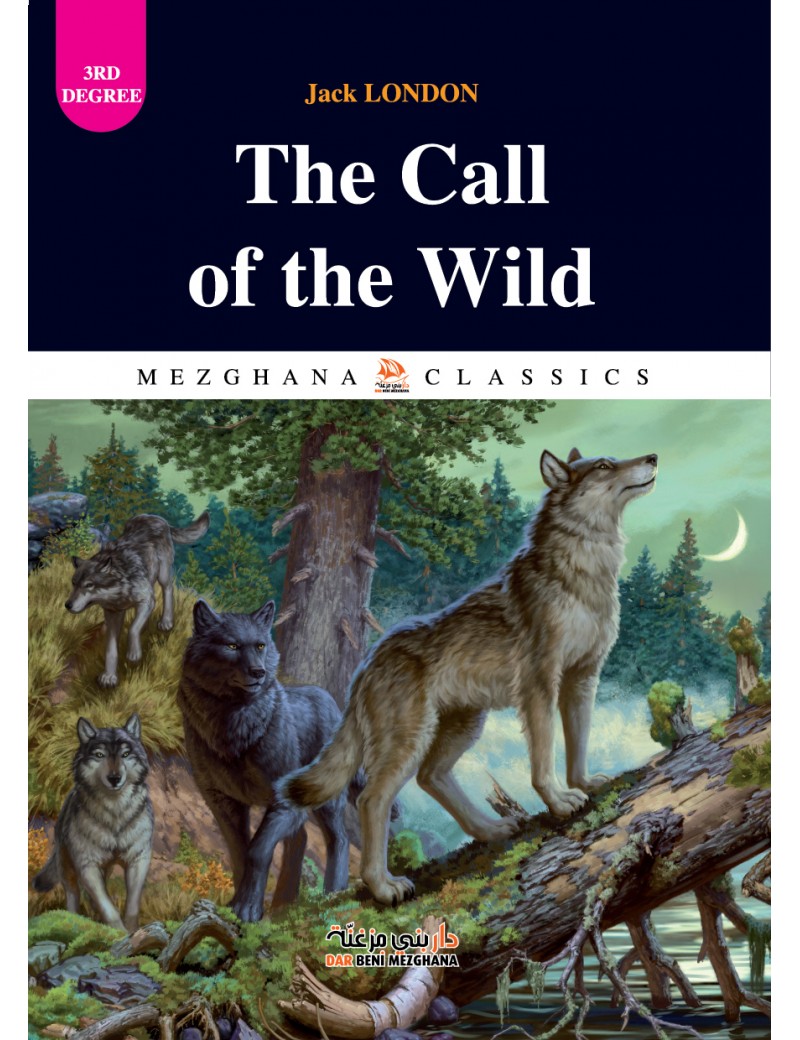
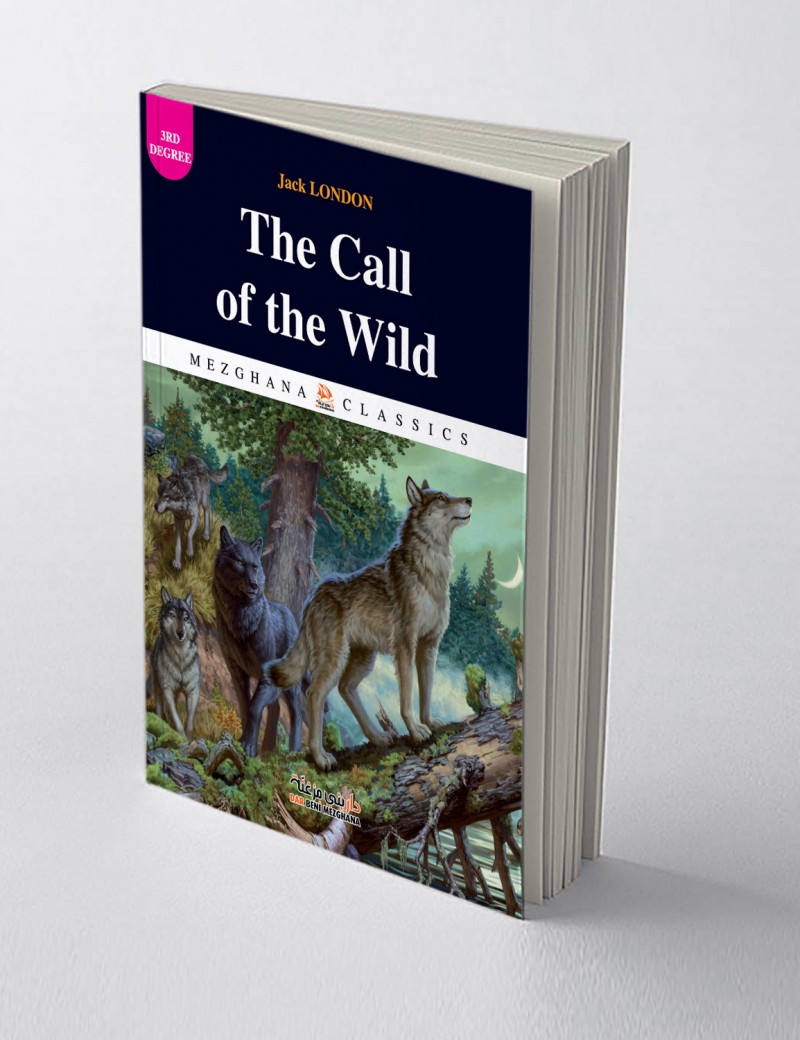
L'Appel de la forêt (titre original : The Call of the Wild) est un roman de l'écrivain américain Jack London publié aux États-Unis en 1903.
En France, le roman paraît pour la première fois sous forme de volume en 1906.
Le roman relate comment un chien domestique, vendu à la suite d'un concours de circonstances comme chien de traîneau à l'époque de la ruée vers l'or, revient à ses instincts naturels une fois confronté aux pièges et à la rudesse du territoire du Yukon.
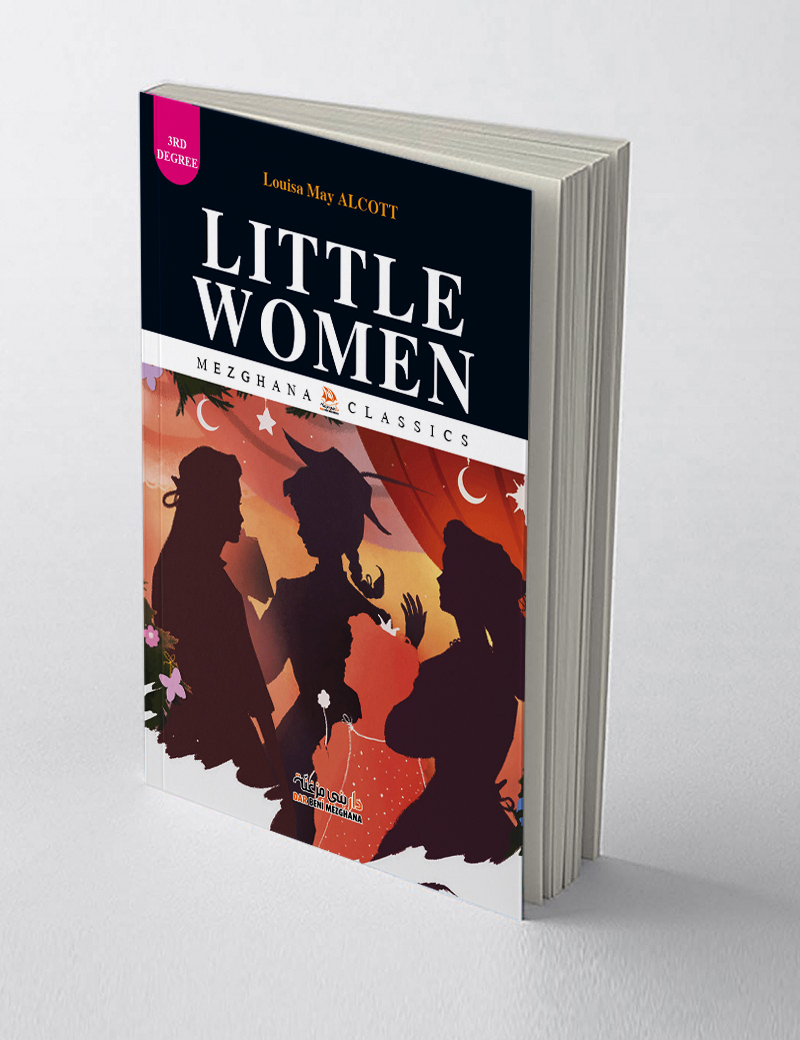
Little Women is a heart-warming tale of four sisters―Meg, Jo, Beth, and Amy―and their journey from childhood to womanhood in New England. It encapsulates the sisters’ vivid and varied dreams, struggles and hopes as they challenge society’s norms. Pick up this beautifully illustrated book to join them on their journey of transformation as they explore what it means to be a woman fighting for her place in the world.
During the Reign of Terror in France, Doctor Alexandre Manette finds himself free after eighteen years of imprisonment in the Bastille. Reunited with his daughter, Lucie Manette, in England, he becomes acquainted with an exiled French aristocrat, Charles Darnay, and an English lawyer of ill repute, Sydney Carton, both of whom are in love with Lucie. Find out how this unsuspecting love triangle gets drawn into the horrors of the revolution, and how they fight their way out of it!
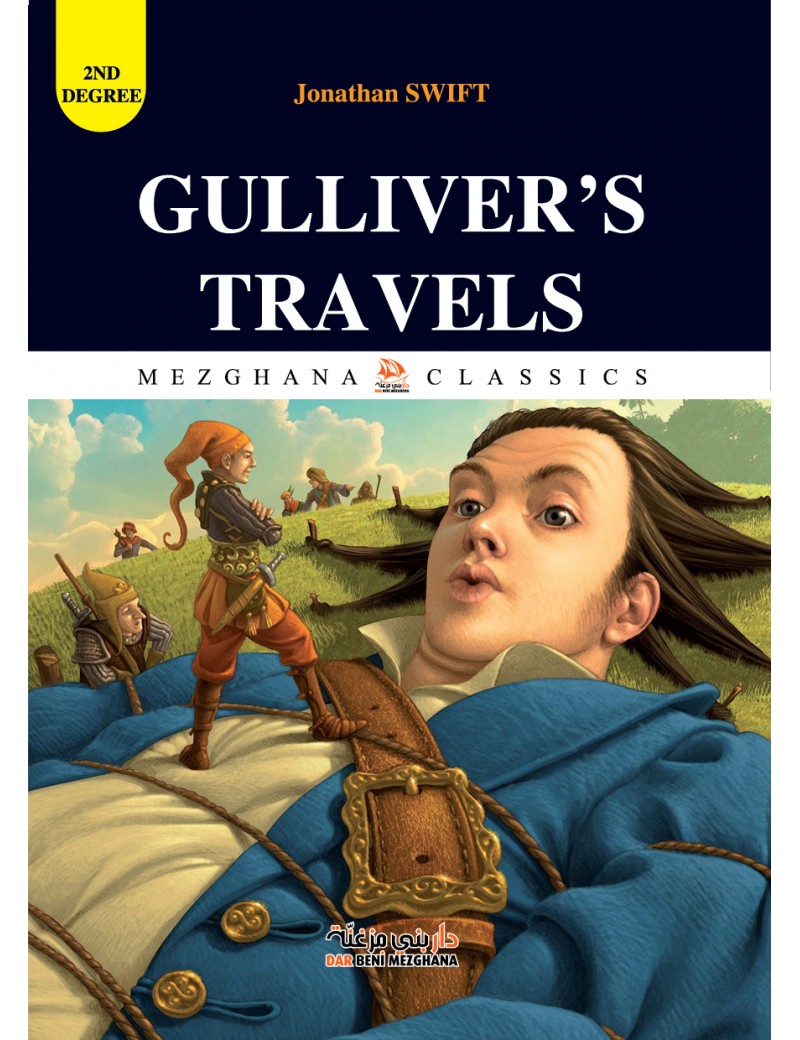
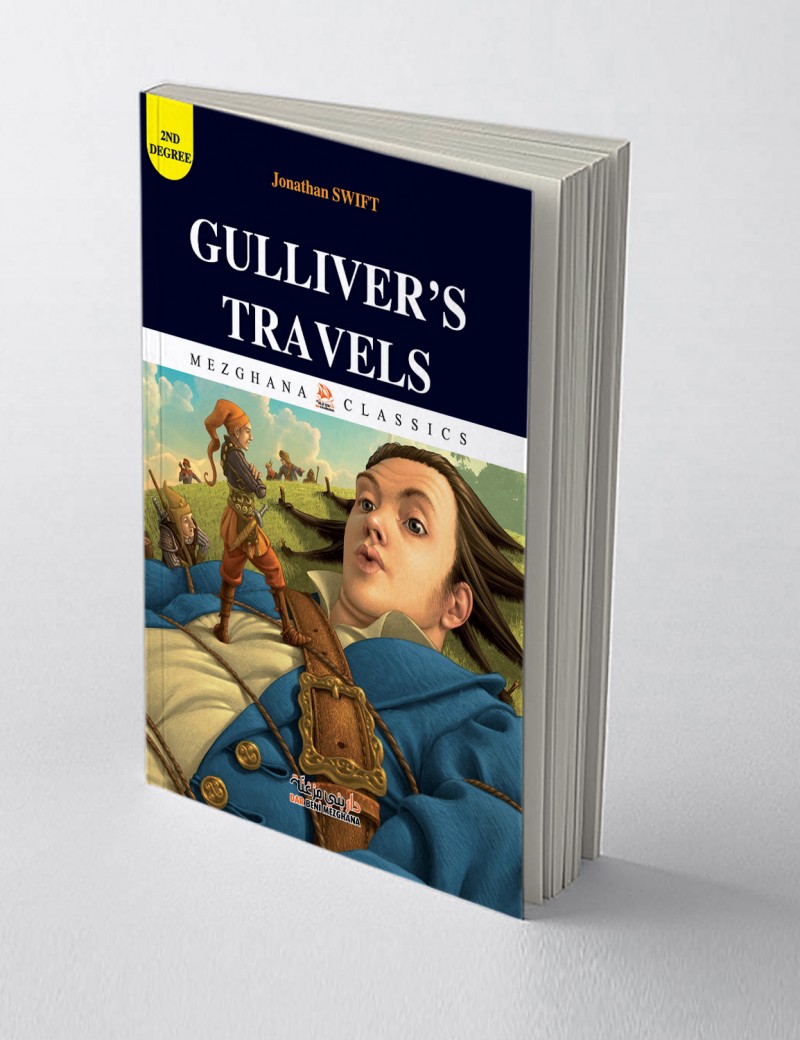
Les Voyages de Gulliver ou Les Voyages extraordinaires de Gulliver est un roman satirique écrit par Jonathan Swift en 1721. Une version censurée et modifiée par son éditeur paraît pour la première fois en 1726 ; ce n’est qu’en 1735 qu’il paraîtra en version complète. Il apparaît pour la première fois en français sous le titre Voyages du capitaine Lemuel Gulliver en divers pays eloignés en janvier 1727, à La Haye.
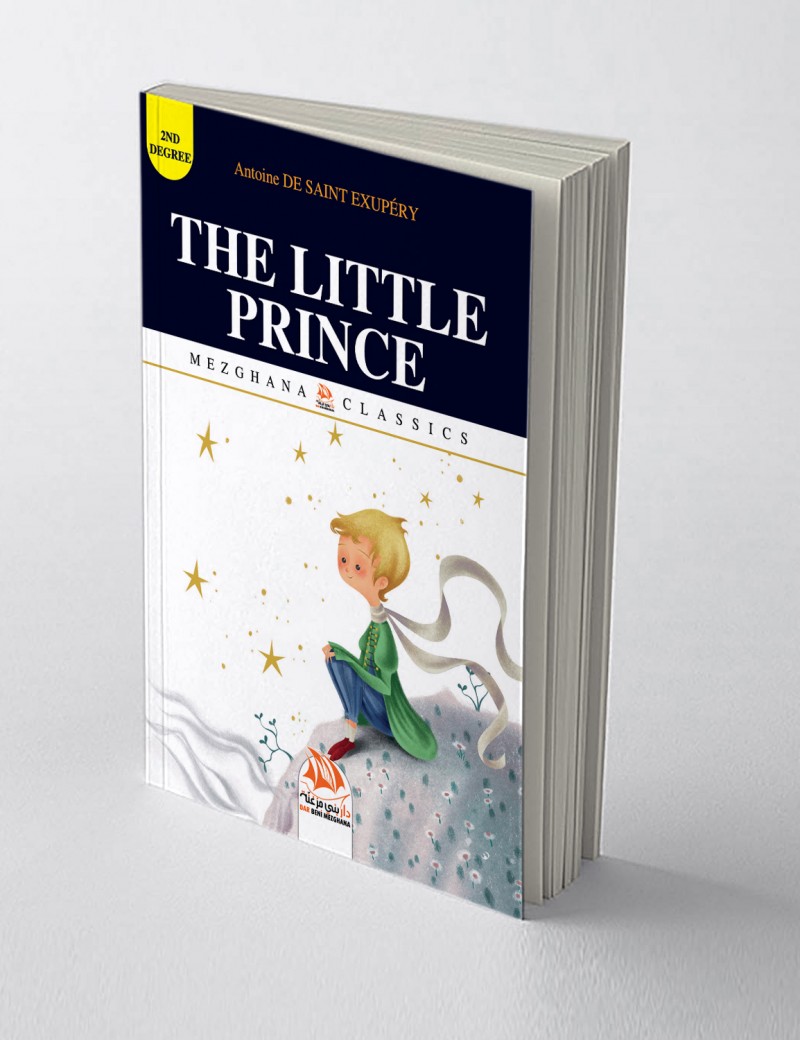
Le Petit Prince (The Little Prince) est une œuvre de langue française, la plus connue d'Antoine de Saint-Exupéry. Publié en 1943 à New York simultanément à sa traduction anglaise, c'est une œuvre poétique et philosophique sous l'apparence d'un conte pour enfants.
Traduit en trois cent soixante et une langues.
Le langage, simple et dépouillé, parce qu'il est destiné à être compris par des enfants, est en réalité pour le narrateur le véhicule privilégié d'une conception symbolique de la vie. Chaque chapitre relate une rencontre du petit prince qui laisse celui-ci perplexe, par rapport aux comportements absurdes des « grandes personnes ». Ces différentes rencontres peuvent être lues comme une allégorie.
Le Livre de la jungle (The Jungle Book) est un recueil de nouvelles écrit par Rudyard Kipling lors d’un séjour de quatre années dans le Vermont, aux États-Unis. Kipling avait auparavant vécu pendant plus de six ans en Inde, d'où est puisée l'inspiration de la plupart de ses nouvelles. Parus en 1894 et en 1895, Le Livre de la jungle et Le Second Livre de la jungle constituent probablement son œuvre la plus célèbre. La traduction française la plus connue est celle de Robert d'Humières et Louis Fabulet (1899).
There are 2 items in your cart.
Total products: $150.00
Total shipping: free
Total: $150.00(tax incl.)
Loading preview…
Preview unavailable.