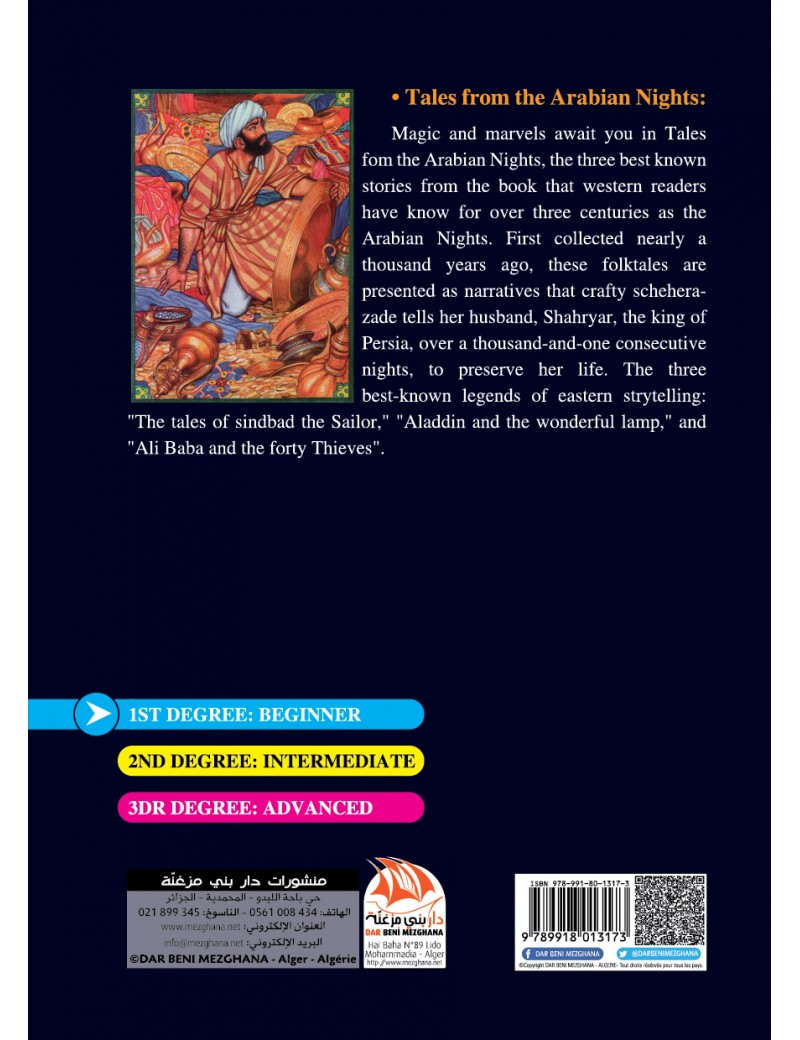
Les Mille et Une Nuits (Arabian nights), est un recueil anonyme de contes populaires d'origine arabe mais aussi persane et indienne écrit en langue arabe. Il est constitué de nombreux contes enchâssés et de personnages mis en miroir les uns par rapport aux autres.
متوفر
One Thousand and One Nights (Arabic: أَلْفُ لَيْلَةٍ وَلَيْلَةٌ, ʾAlf Laylah wa-Laylah) is a collection of Middle Eastern folk tales compiled in Arabic during the Islamic Golden Age. It is often known in English as the Arabian Nights, from the first English-language edition (c. 1706 – 1721), which rendered the title as The Arabian Nights' Entertainment.
The work was collected over many centuries by various authors, translators, and scholars across West, Central and South Asia, and North Africa. Some tales themselves trace their roots back to ancient and medieval Arabic, Persian, Indian, Greek, Jewish and Turkish folklore and literature. In particular, many tales were originally folk stories from the Abbasid and Mamluk eras, while others, especially the frame story, are most probably drawn from the Pahlavi Persian work Hezār Afsān (Persian: هزار افسان, lit. A Thousand Tales), which in turn relied partly on Indian elements.
What is common throughout all the editions of the Nights is the initial frame story of the ruler Shahryār and his wife Scheherazade and the framing device incorporated throughout the tales themselves. The stories proceed from this original tale; some are framed within other tales, while others are self-contained. Some editions contain only a few hundred nights, while others include 1,001 or more. The bulk of the text is in prose, although verse is occasionally used for songs and riddles and to express heightened emotion. Most of the poems are single couplets or quatrains, although some are longer.
Some of the stories commonly associated with The Nights, in particular "Aladdin's Wonderful Lamp", "Ali Baba and the Forty Thieves", and "The Seven Voyages of Sinbad the Sailor", were not part of The Nights in its original Arabic versions but were added to the collection by Antoine Galland and other European translators.
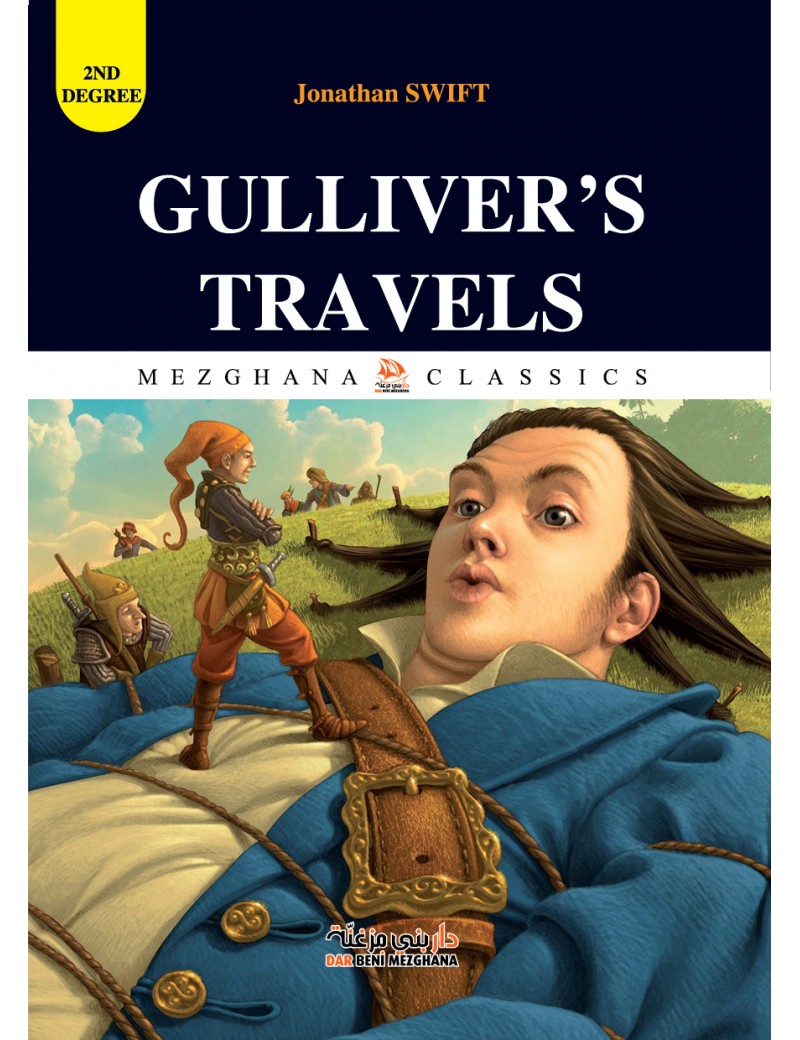
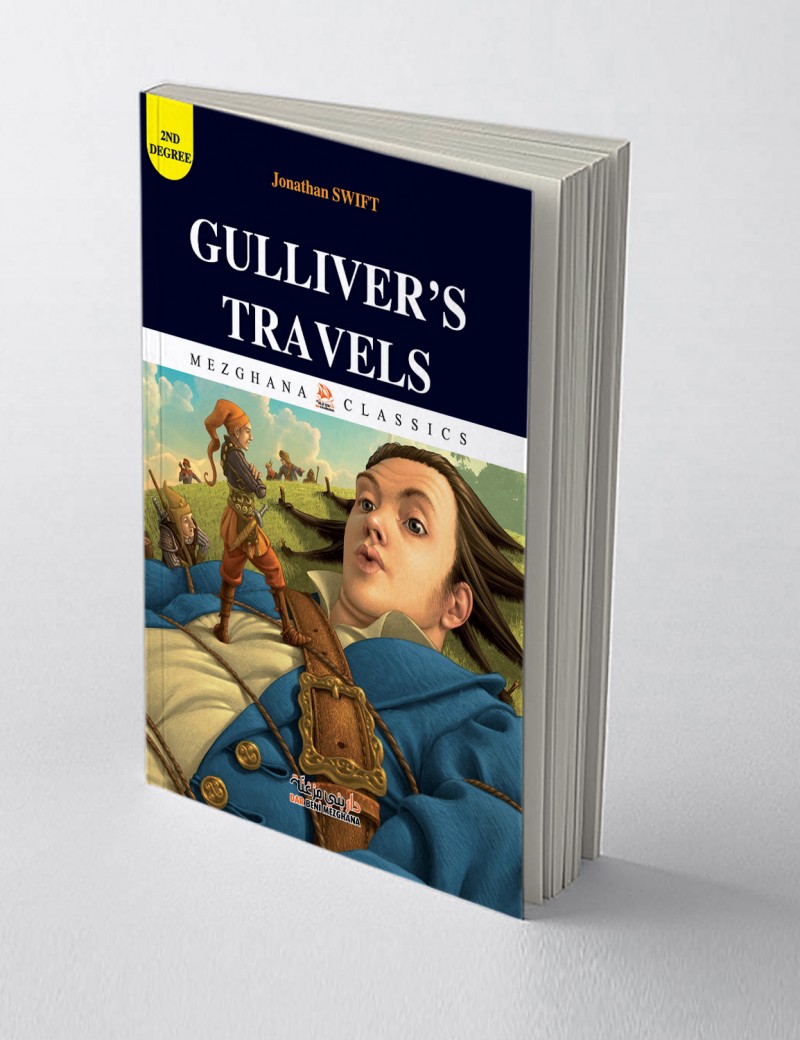
Les Voyages de Gulliver ou Les Voyages extraordinaires de Gulliver est un roman satirique écrit par Jonathan Swift en 1721. Une version censurée et modifiée par son éditeur paraît pour la première fois en 1726 ; ce n’est qu’en 1735 qu’il paraîtra en version complète. Il apparaît pour la première fois en français sous le titre Voyages du capitaine Lemuel Gulliver en divers pays eloignés en janvier 1727, à La Haye.
Le Vieil Homme et la Mer (The Old Man and the Sea en anglais) est un court roman écrit par l'écrivain américain Ernest Hemingway à Cuba en 1951 et publié en 1952. Il s'agit de la dernière œuvre de fiction majeure produite par Hemingway et publiée de son vivant. Elle demeure son œuvre la plus célèbre. Elle traite d'un vieux pêcheur cubain appelé Santiago, en lutte avec un énorme marlin au large du Gulf Stream. Bien que le roman ait été l'objet de critiques disparates, la sélection de son auteur pour le prix Nobel de littérature en 1954 réaffirme dans la littérature mondiale l'importance et la portée de l'ensemble des créations d'Hemingway et dans la fiction du xxe siècle.
Cet ouvrage lui valut le double honneur du prix Pulitzer le 4 mai 1953 et du prix Nobel de littérature en 1954.
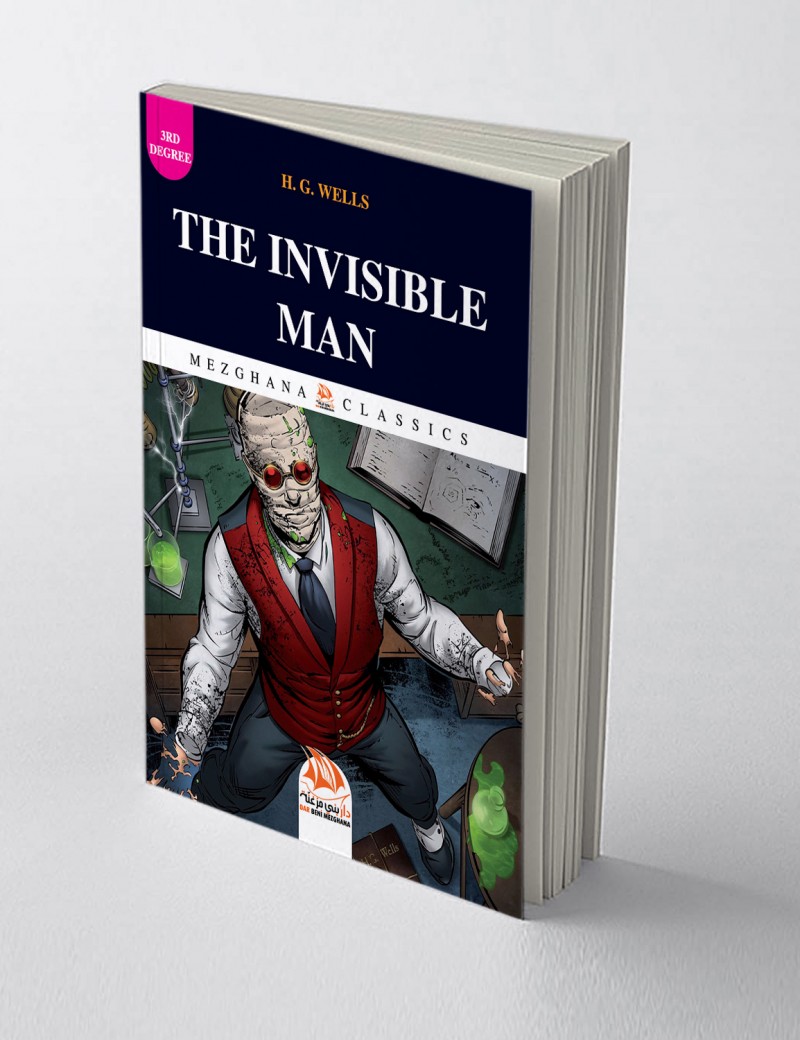
L'Homme invisible (The Invisible Man) est un roman de science-fiction de H. G. Wells, publié en 1897.
The Invisible Man is a science fiction novel by H. G. Wells. Originally serialized in Pearson's Weekly in 1897, it was published as a novel the same year. The Invisible Man the title refers to is Griffin, a scientist who has devoted himself to research into optics and invents a way to change a body's refractive index to that of air so that it neither absorbs nor reflects light and thus becomes invisible. He successfully carries out this procedure on himself, but fails in his attempt to reverse it. An enthusiast of random and irresponsible violence, Griffin has become an iconic character in horror fiction.
During the Reign of Terror in France, Doctor Alexandre Manette finds himself free after eighteen years of imprisonment in the Bastille. Reunited with his daughter, Lucie Manette, in England, he becomes acquainted with an exiled French aristocrat, Charles Darnay, and an English lawyer of ill repute, Sydney Carton, both of whom are in love with Lucie. Find out how this unsuspecting love triangle gets drawn into the horrors of the revolution, and how they fight their way out of it!
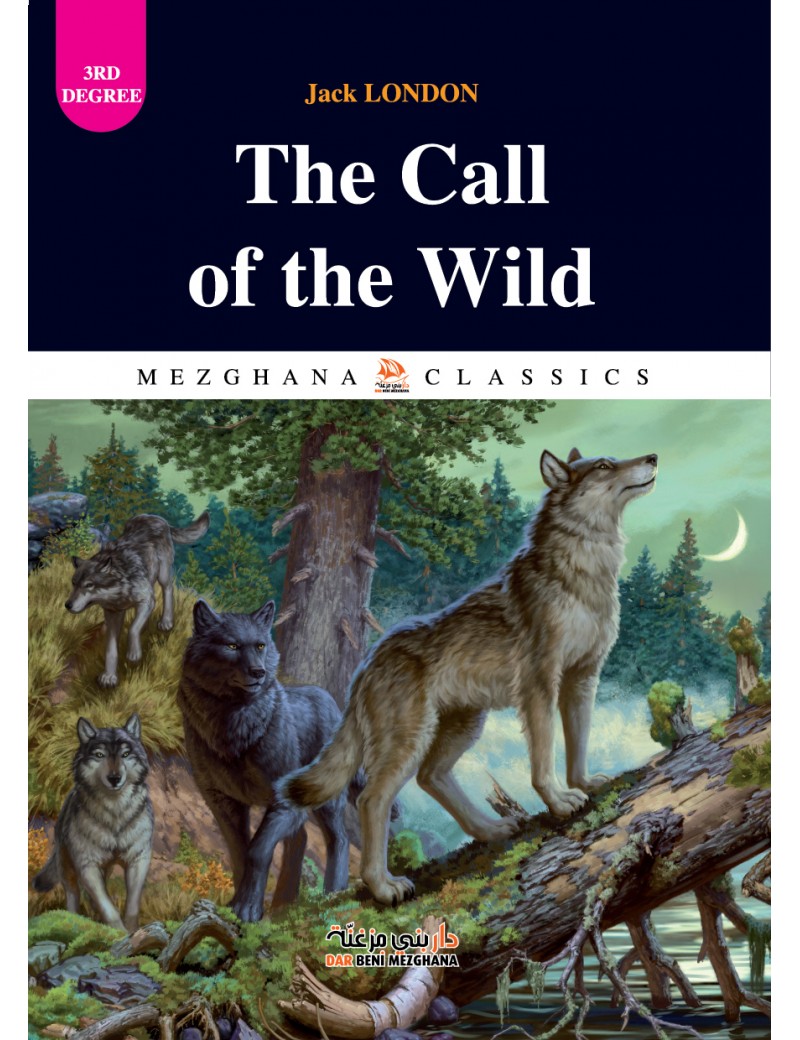
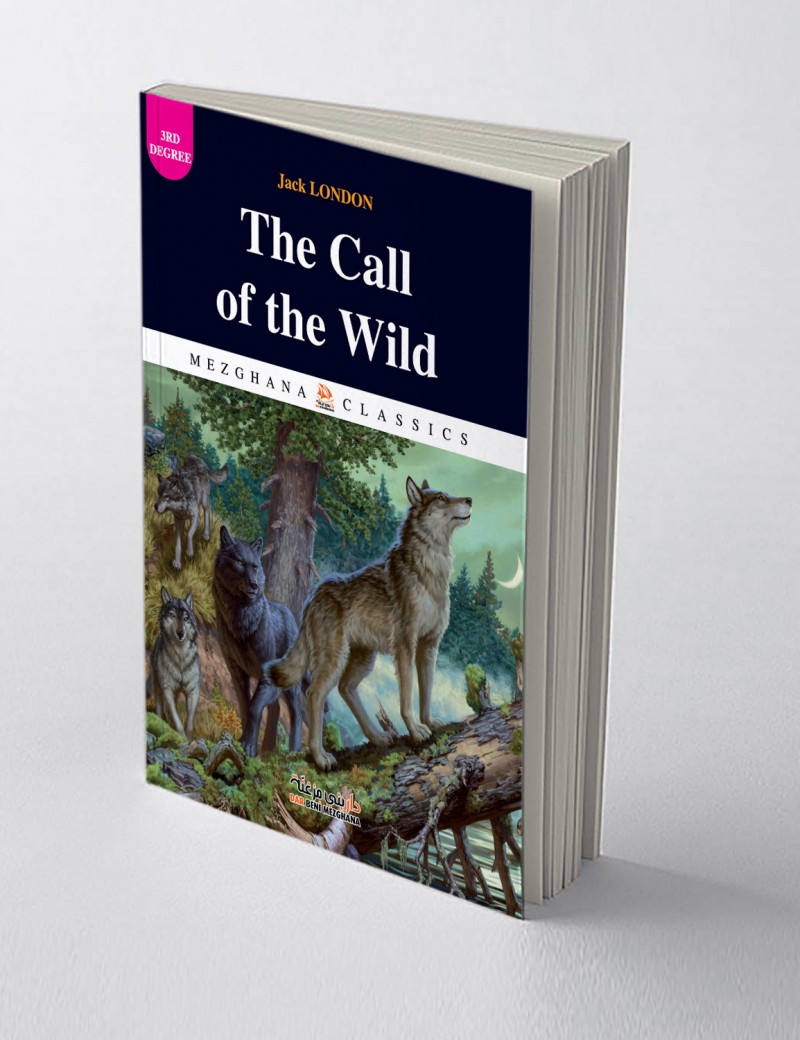
L'Appel de la forêt (titre original : The Call of the Wild) est un roman de l'écrivain américain Jack London publié aux États-Unis en 1903.
En France, le roman paraît pour la première fois sous forme de volume en 1906.
Le roman relate comment un chien domestique, vendu à la suite d'un concours de circonstances comme chien de traîneau à l'époque de la ruée vers l'or, revient à ses instincts naturels une fois confronté aux pièges et à la rudesse du territoire du Yukon.
Peter Pan est un personnage créé par l'auteur écossais J. M. Barrie, apparu pour la première fois dans le roman The Little White Bird (Le Petit Oiseau Blanc) en 1902, puis dans la pièce du même nom, et enfin dans le roman Peter et Wendy, plus connu sous le titre Peter Pan en 1904. Le personnage et l'œuvre ont ensuite été adaptés à de nombreuses reprises au théâtre, au cinéma, ou encore en bande dessinée.
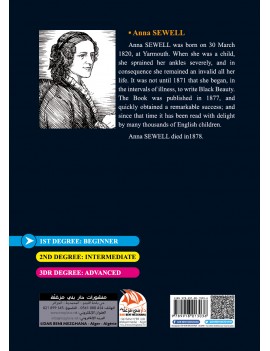
Black Beauty est l'unique roman d'Anna Sewell, qui l'écrivit de 1871 à 1877, alors qu'elle était souvent malade.
Le roman a été publié en Angleterre le 24 novembre 1877.
L'histoire est l'autobiographie d'un cheval nommé Black Beauty, confronté à la cruauté ou bien à la sympathie des hommes dans l'Angleterre du XIXe siècle. Chaque chapitre du roman raconte un incident de la vie de Black Beauty et contient une leçon ou une morale en rapport avec le traitement des chevaux à l'époque. Le roman d'Anna Sewell a d'ailleurs contribué à l'amélioration du sort des chevaux d'Angleterre et du Royaume-Uni.
There are 2 items in your cart.
مجموع المنتجات: $150.00
مجموع التوصيل: free
المجموع: $150.00(tax incl.)
جاري تحميل المعاينة…
المعاينة غير متوفرة.